Sunday, March 15, 2026
- Advertisment -
Google search engine
Home Blog Page 380

Uganda Wins Rights to Host African Humanitarian Agency

0

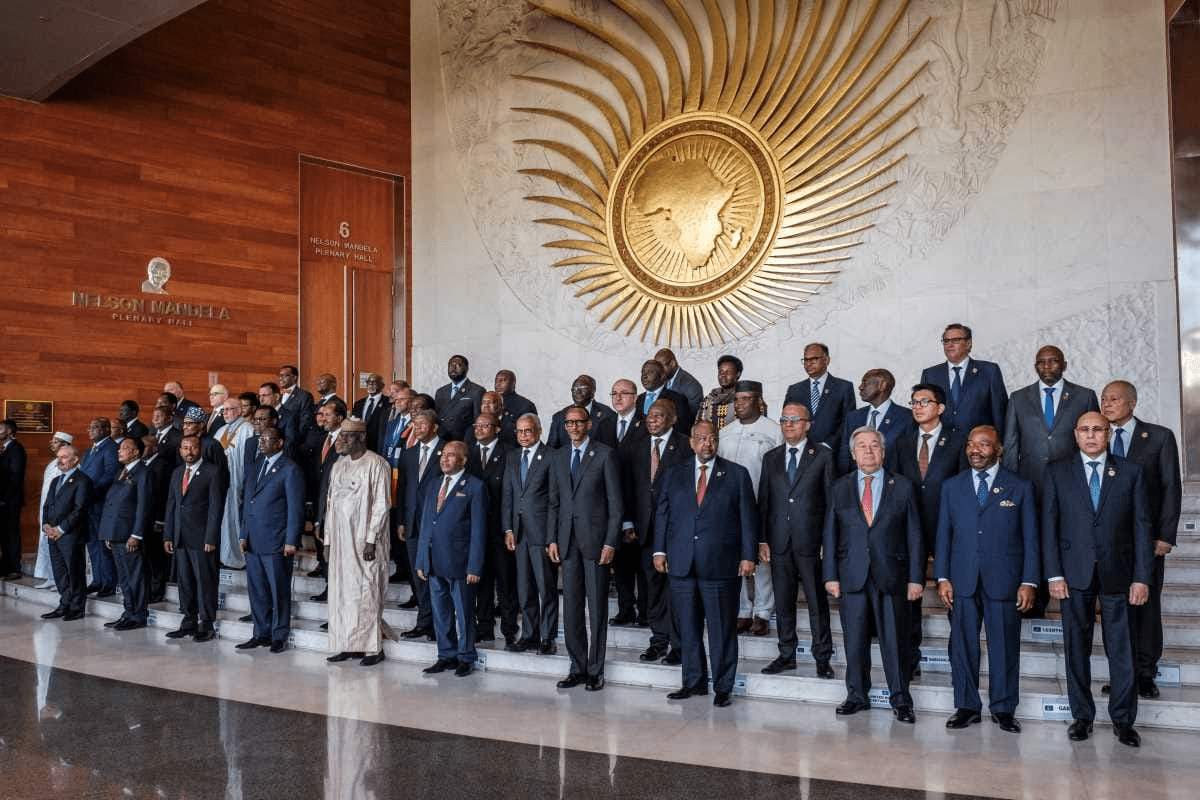
During the 45th Session of its Executive Session, the African Union Executive Council of Ministers of Foreign Affairs, the second highest decision-making Body of the African Union, selected Uganda as host of the African Humanitarian Agency. The decision was reached during the African Union 45th Session in Accra, Ghana from 18th – 19th July 2024.

The African Humanitarian Agency is a Specialized Technical Agency of the African Union charged with the responsibility to coordinate and provide Humanitarian responses in coordination with affected Member States.

During this session, the African Union Commission presented the outcome of its Independent Technical Evaluation Report on the hosting of the African Humanitarian Agency. 

This was a process that started in May 2023 with a call for countries to express interest to Host the African Humanitarian Agency and submit their bid proposals for the same. Four Countries (Uganda, Kenya, Equatorial Guinea and Nigeria) expressed interest and submitted their proposals.

The Independent Evaluation Team from the African Union Commission was set up, with the mandate to conduct an Assessment Mission to the four countries to assess their proposals and suitability to host the African Humanitarian Agency. This exercise was conducted in May 2024. In Uganda it was conducted from 23rd -27th May 2024.

The outcome of this evaluation exercise resulted in the four countries scoring as follows:

KENYA : 76.13%;

NIGERIA: 74.50%;

UGANDA: 85.66%;

EQUATORIAL GUINEA: 76.70%.

The Executive Council welcomed the report and the results from the assessment exercise and congratulated Uganda on winning the rights to Host the Africa Humanitarian Agency.

Permanent Representative to the African Union, Amb. Rebecca Otengo expressed excitement at the win. “This is the first African Union Agency hosted by Uganda since joining the Union when it was first called the Organisation of African Union (OAU)”, she said.

Speaking from Kampala, Minister of Foreign Affairs, Gen. Odongo Jeje Abubakhar said “Uganda being the largest refugee hosting country on the African Continent with established legal and institutional frameworks on forcibly displaced persons and impeccable experience in dealing with humanitarian action made her an acceptable candidate to many African Union Members. Attributing the success to a formidable team at the Mission, he added “This is doubled by the goodwill enjoyed by the Ambassador and members of Ugandan Embassy among other African Union Member states in Addis Ababa”

The process for the operationalization of the Agency in Uganda has already began with the approval of the budget to recruit the top management staff of the Agency during Financial Year 2025/2026.

In other news, during the 45th Executive Council session the Embassy of Uganda in Addis Ababa also secured the election of Justice Duncan Gaswaga to the African Court on Human and Peoples’ Rights for a period of 6 years, by an overwhelming majority of 46 member states, of those present and able to vote at the session.

The delegation of Uganda to this 45th Executive Council session included Amb. Rebecca Amuge Otengo, Permanent Representative of Uganda to the AU, Justice Duncan Gaswaga, Justice of the High Court of Uganda, Lira, Mr. Michael Wamai, Counsellor and Ms. Daphine Teddy Nyanduri, First Secretary, Uganda Embassy in Addis Ababa.

Asia Has Fastest-growing AI Industry, Revenue to Surge by 351%, Hit Almost $300bn by 2030

0

Although the United States is home to the world’s largest AI giants, Apple, Microsoft, Nvidia, Alphabet, Meta, and Tesla, which continue shaping the global AI landscape, the US artificial intelligence industry is not the largest or the fastest growing.

According to data presented by Altindex.com, Asia has the fastest-growing AI industry globally; its revenue is expected to surge by 351% and hit almost $300 billion by 2030.

The Asian artificial intelligence industry has skyrocketed over the past years, becoming the major player in the global AI landscape. Since 2020, the entire market has more than doubled, growing faster than European, North American or the global market, and there are many reasons for that.

China, South Korea, and Japan have implemented national AI strategies and invested heavily in AI research and development, helping cities like Beijing, Tokyo, Shanghai, and Seoul become global innovation hubs. Asian AI startups have also played a significant role in the industry’s growth, attracting huge attention from VC investors. 

This surge in interest followed heavy investments in AI research and development from tech giants like Tencent, SoftBank, Alibaba, and Samsung, which have paved the way for an AI startup ecosystem in the region.

Furthermore, Asia boasts some of the world’s top universities and research institutions producing skilled AI professionals, while its workforce is trained in AI technologies, helping it retain its position as the global AI leader by the end of a decade.

According to a Statista survey, the Asian AI industry’s revenue will skyrocket by 351% and hit $298.4 billion by 2030, outpacing even the global AI market’s growth, which is expected to surge by 349% in this period. The North American and European AI industries will also see smaller growth rates, with their revenues jumping by 346% and 349% in the next six years, respectively.

The Statista data also showed that Asia will see the biggest user growth in the AI space, with the total number of people using AI tools rising by 150% to 180 million in 2030. Still, that is nearly 60 million short compared to the North American market, which is expected to see its AI user base jump by 115% to 268 million in this period. Europe will also have more AI users by 2030 than Asia, roughly 229 million, or 134% more than this year.

As a major driver of economic growth and transformation in Assia, AI will have a huge and long-lasting positive impact on the region’s GDP growth. According to Statista, artificial intelligence could add 6.7% to Asian GDP growth by 2030, or five times more than this year.  

Other regions will see a similar increase. The impact of the North American AI market on GDP is forecasted to grow from 2.2% to 10.5% in this period, followed by Europe’s increase from 1.8% to 9.7%. Overall, the AI industry is expected to add 8.8% to global GDP growth by 2030, up from 1.7% this year.

Sudan’s ‘War on People’ Must End Now

0

At a press conference today launching the release of the Doctors Without Borders/Médecins Sans Frontières (MSF) report, “A war on people: The human cost of conflict and violence in Sudan,” Vickie Hawkins, the general director of MSF Netherlands, described the patterns of violence witnessed by our teams and reiterated our call for increased international assistance and protection of civilians.

Below is her full statement: 

“Dear guests and colleagues, thank you for joining us today as we announce the release of MSF’s report ‘A war on people: The human cost of conflict and violence in Sudan.’ Today we are sharing MSF’s findings and our serious concerns on the complete collapse in the protection of civilians in Sudan by both warring parties. 

The warring parties in Sudan have been inflicting horrendous levels of violence on people since April 2023. The direct and deadly impact of the war on the people of Sudan has left the country’s health services largely in ruins. Today, we reiterate our call on all warring parties to immediately stop all attacks on civilians. We also urge the two sides to allow safe passage and routes for people seeking safety, and to protect civilian infrastructure from further destruction and looting. 

The consequences of over a year of unrelenting conflict on the lives, health, and wellbeing of people in Sudan are disastrous. People have experienced terrible violence. They have been dying due to widespread fighting and have survived repeated attacks, abuse, and exploitation by both the Sudanese Armed Forces (SAF) and the Rapid Support Forces (RSF). Drawing on our medical and operational data that we have collected spanning a period of 13 months, from April 15, 2023, up until May 15, 2024, the report we release today highlights the patterns of violence observed by our teams. It outlines the features of abuse which characterize this conflict, and the ensuing health consequences for the people in Sudan. 

Over the past two months, MSF-supported health facilities have been repeatedly attacked and targeted. We were forced to suspend operations in Wad Madani, in southeastern Sudan, and recently in the Turkish Hospital in Khartoum, the capital. Since May, MSF-supported hospitals or premises have been hit by shelling or airstrikes at least five times in Omdurman, Khartoum, and El Fasher, leading to the deaths of health workers and patients, including children. Hospitals in which we work in El Fasher and in Khartoum were also stormed and attacked. 

In conflict areas in Khartoum and across Darfur region, we support some of the few remaining hospitals and emergency wards functioning in Sudan. Our teams treat thousands of war-wounded patients in locations surrounded by violence, large-scale bombing, and shelling. In these areas, homes, health facilities and essential infrastructure have been hit, destroyed, and made inoperable. 

Between August 15, 2023, and April 30, 2024, the Al Nao Hospital in Omdurman—one of the eight facilities MSF is or has supported in Khartoum state—admitted a total of 6,776 war-wounded patients. This is an average of 26 war-wounded patients admitted per day. Just over half of these patients had gunshot wounds, 42 percent had shrapnel wounds, and 5 percent had been stabbed. At least 399 people died from their injuries. 

One year of war in Sudan

One MSF patient from Nyala, Darfur, told us in March 2024, “The men were armed with guns and dressed in RSF camouflage/military uniform. When I turned to walk back into my house, one of the armed men stabbed me in the back and another soldier hit me on the back of the head very hard……and I fell to the ground. The soldiers broke into my house and took some clothes and personal belongings.”

Women and children have not been spared. In March this year, women and children comprised almost 30 percent of the 624 war-wounded [patients] treated at Al Nao Hospital in that month. In the 11 months between May 2023 and April 2024, MSF teams in Bashair Teaching Hospital in Khartoum treated 4,393 patients who had trauma-related injuries. This corresponds to just over 4 in 10 emergency department consultations our teams provided during this period. 

Despite the health system struggling to adequately meet people’s needs, humanitarian and medical organizations have frequently been blocked from providing support. Although authorities have begun issuing visas for humanitarian staff more readily, attempts to provide essential medical care are still regularly impeded through bureaucratic blockages.

These include refusals to issue travel permits to allow the passage of people and essential supplies. The violence of the warring parties is compounded by obstructions: by blocking or interfering services when people need them most, the withholding of stamps and signatures can be just as deadly as firing bullets and bombs.

Across Sudan, people’s access to lifesaving care has been drastically affected. Not only are humanitarian and medical workers blocked from providing lifesaving services, but hospitals have been routinely looted and attacked throughout the war. In April, the UN Office for the Coordination of Humanitarian Affairs estimated that 70 to 80 percent of hospitals in conflict-affected areas were no longer functional. 

Some of the attacks that we have documented include the MSF-supported Al Nao Hospital in Omdurman having been shelled on [three] separate occasions, most recently about a month ago, on June 19.

In July 2023, a health care worker of the MSF-supported Al-Saudi Maternity Hospital was fatally shot inside the maternity ward, leading the facility to close and relocate to another MSF-supported facility. 

In May this year, an airstrike killed two children after the intensive care unit roof collapsed at the MSF-supported Baker Nahar Pediatric Hospital in El Fasher. The hospital was forced to close.

The list of attacks on health facilities goes on and on. We have documented at least 60 incidents of violence and attacks by the Sudanese Armed Forces and the Rapid Support Forces on MSF staff, properties, and infrastructure.

Attacks on our colleagues, fellow humanitarian workers, and health facilities are completely unacceptable. But we know the violence that we have suffered pales in comparison to the violence endured by the people as a whole. 

The conflict has forced millions to flee home. In the camps and gathering sites where refugees from the region and displaced people seek safety, patients recount horrific stories of inhumane treatment and violence perpetrated by armed groups on them. People’s accounts describe forced eviction, looting and arson, degrading interrogation, arbitrary arrest, abduction, and torture on a systematic level. 

Sexual and gender-based violence is pervasive but critically underreported due to stigma, silence for fear of retaliation, and the void of protection services and confidential spaces to disclose violence. Data from MSF facilities supporting Sudanese refugees in Chad hint at the widespread use of sexual violence as a feature of the conflict, particularly targeting women and girls. Between July and December 2023, 135 survivors in Adre, on the Chadian side of the border with Sudan,  disclosed to our teams instances of rape, abduction, and exploitation in Sudan during the conflict. In 90 percent of cases, perpetrators were armed men.

The report also details targeted ethnic violence against people in Darfur. A retrospective mortality survey conducted by MSF between August and September 2023, in three Sudanese refugee camps in Chad, showed a significant increase in mortality in Sudan since the start of the conflict. Responses from refugees housed in Ourang camp, who come mainly from El Geneina in Sudan, indicated that their families have lost the greatest number of family members. Reports from people surveyed in Ourang suggest as much as a 20-fold increase in mortality rates in Sudan from April 2023, with a peak in June of that year, compared to pre-war rates.

This data corresponds with testimonies people shared with MSF in Nyala, South Darfur, describing events in mid-2023. People told us Rapid Support Forces and aligned militia went house to house, looting, beating, and killing people, targeting Masalit and other people of non-Arab ethnicities. 

Ethnic violence and sexual and gender-based violence must never happen. MSF calls on warring parties to stop all targeted forms of violence and abuse against the people of Sudan. 

The existing conflict is having a disastrous effect on the lives, health and wellbeing of people in Sudan. The physical and mental wounds of violence have been exacerbated by the collapse of the health system and the scant international humanitarian response. MSF teams continue to treat people dying from preventable causes because patients were unable to reach facilities earlier or afford medicine, if available. Our mental health teams are seeing the tremendous toll of conflict and violence on people’s mental health and psychological wellbeing. Trauma-related symptoms are widespread, and some patients are moved to self-harm. 

MSF continues to respond to urgent medical needs and the consequences of ongoing violence, further exacerbated by the lack of humanitarian access and the warring parties’ blatant disregard for human life and international humanitarian law. Today, we reemphasize our calls on all warring parties to ensure the protection of civilians and humanitarian workers, and to allow the wounded and sick access to health care. We call on the warring parties in Sudan to abide by their obligations regarding the protection of civilians, and we also call on international aid organizations and donor governments to ensure that aid is delivered to all those in need and to urgently increase the humanitarian response where needed.

This war on people highlighted in our report provides a glimpse on the humanitarian situation across eight states in Sudan where we work, and where our teams witness these crises. People in Sudan continue to be the victims of both the direct and indirect consequences of this deadly and destructive conflict. After 14 months of war, the different warring parties are hampering the response, leaving people unable to access lifesaving assistance and protection, severely compromising access to quality, affordable health care, and blocking vitally needed aid. 

This must end now.”

I Am Responsible for U.S. Secret Service Failure on July 13 Attempted Assassination of Trump: Kimberly Cheatle

0

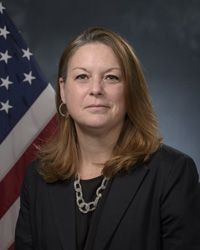
Good morning, Chairman Comer, Ranking Member Raskin, and distinguished members of the Committee. 

My name is Kimberly Cheatle, and I am the Director of the United States Secret Service. I appreciate the opportunity to appear before you today. Last week, I provided a briefing to both chambers of Congress, and I am here today to answer your questions to the best of my ability. 

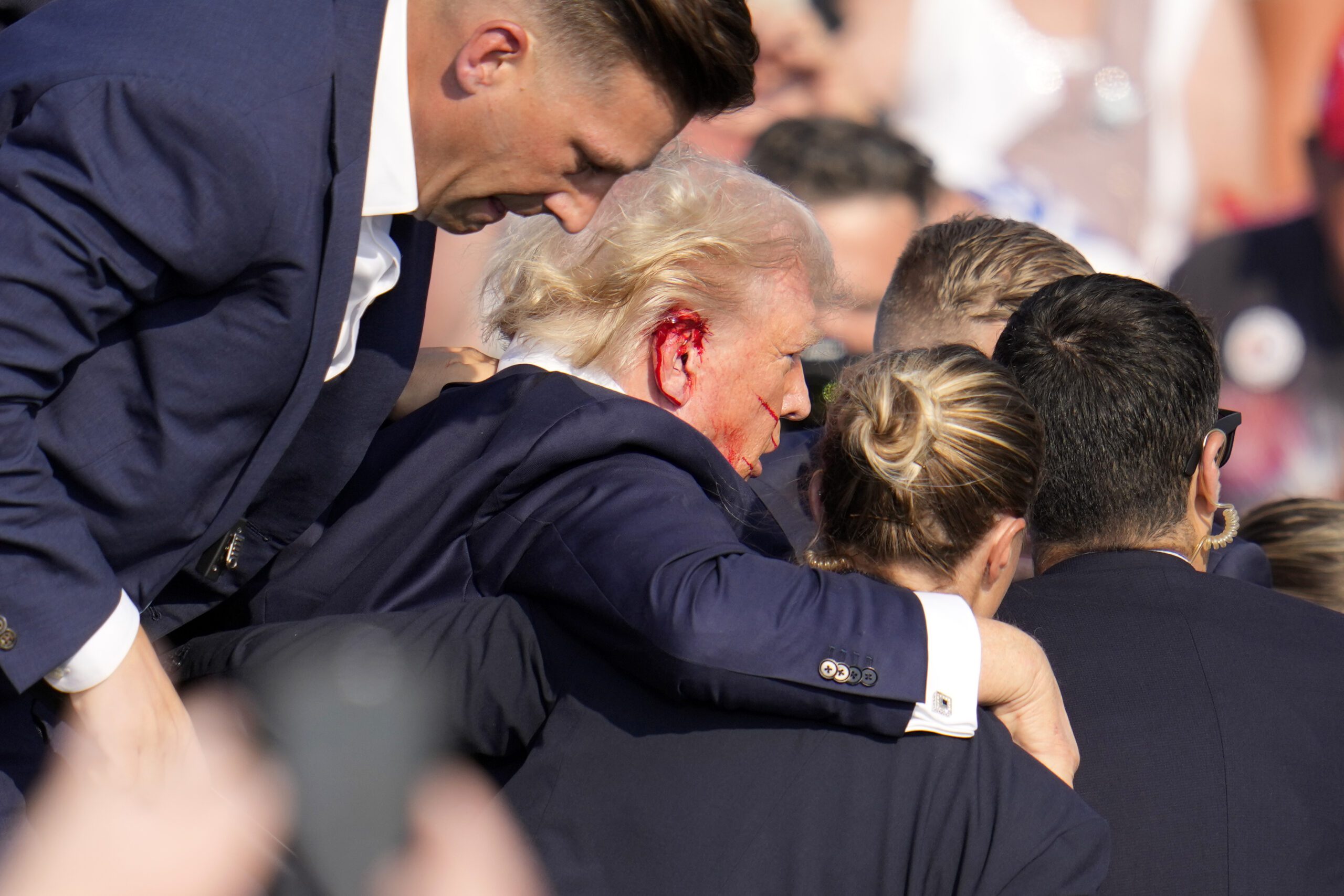
The assassination attempt on former President Donald Trump on July 13th is the most significant operational failure at the Secret Service in decades and I am keeping him and his family in my thoughts. I would like to offer my sincerest condolences to the family of Corey Comperatore, a former fire chief and a hero, who was killed in this senseless shooting. I would also like to acknowledge those who were injured in Butler, Pennsylvania, David Dutch and James Copenhaven, and I wish them a speedy recovery.

I would be remiss if I did not also extend my condolences on the passing of your colleague, Congresswoman Sheila Jackson Lee. Ms. Jackson Lee was always engaged in the oversight of the Secret Service and her passing is a great loss to this body. 

The Secret Service’s solemn mission is to protect our nation’s leaders. On July 13th, we failed. As the Director of the United States Secret Service, I take full responsibility for any security lapse. As an agency, we are fully cooperating with the FBI’s investigation, the oversight you have initiated here, and conducting our own internal mission assurance review at my direction. Likewise, we will cooperate with the pending external review and the DHS Office of the Inspector General. 

We must learn what happened and I will move heaven and earth to ensure an incident like July 13th does not happen again. Thinking about what we should have done differently is never far from my thoughts. 

The Secret Service currently protects 36 individuals on a daily basis, as well as world leaders who visit the United States, like Israeli Prime Minister Benjamin Netanyahu, who arrived in Washington today. 

At the outset, let me state unequivocally: Nothing I have said previously should be interpreted to place blame for this failure on our federal, state, and local law enforcement partners who supported the Secret Service in Butler, Pennsylvania. We could not do our job without them.

An assassination attempt on a Secret Service protectee is the worst nightmare for the men and women who work around the clock every day of every year to prevent such attacks from happening in the first place. Throughout our 159-year history, assassination attempts have been made, uncovered, and thwarted on those we protect. Our agents, officers, and support personnel understand that every day we are expected to sacrifice our lives to execute a no fail mission. 

As witnessed on July 13th, our special agents shielded former President Trump with their own bodies on-stage while shots were being fired, selflessly willing to make the ultimate sacrifice without hesitation. I am proud beyond words of the actions taken by the former president’s detail, the counter-sniper team that neutralized the gunman, and the tactical team that provided cover during the evacuation. 

I will be transparent as possible as I speak with you, understanding that at times, I may be limited in providing a thorough response in this open setting due to risks associated with sharing highly sensitive protective methodologies. There are multiple ongoing investigations into this incident, hundreds of people to interview, and thousands of documents to review. I do not want to inadvertently provide you today with inaccurate information. I may not be able to speak specifically to certain items that have circulated over the past nine days. 

Since January 1, 2024, we have successfully secured over 7,500 sites. It is important to note that no two events are the same. Every protective advance comes with its own set of challenges and requires a customized mitigation strategy including specific assets, personnel, and technology. 

During every advance, we attempt to strike a balance between enabling the protectee to be visible and our protective requirements to be secure. I know this because I have spent 29 years in this agency. 

I came up through the ranks: I’ve secured events for every president since President Clinton, supervised on VP Cheney’s detail, led our training center, oversaw all investigations and protective visits in the state of Georgia, supervised on VP Biden’s detail and oversaw the agency’s entire protective mission during the Trump Administration.  

The comprehensive advance process involves collaborative planning between the Secret Service, the protectee’s staff, and our local law enforcement partners. Planning for this event began shortly after it was announced on July 3. The former President, like the current President, is subject to multiple threats at any moment in time. The level of security provided for the former President increased well before the campaign and has been steadily increasing as threats evolve. The security plan included a full assessment of the Butler Farm showgrounds to identify security vulnerabilities and craft a security plan for our protectee, attendees, and the public. 

The Secret Service constructed a security plan which consisted of three concentric rings of protection – the inner, middle, and outer perimeter – which are protected by Secret Service personnel in conjunction with our law enforcement partners. 

Security plans are multi-layered, providing 360 degrees of protection. These layers include personnel, technical, and tactical assets which are a force multiplier for our protective posture. 

Our methodology helps us deploy security assets to meet specific challenges posed by different areas of a protective site. While the assets deployed in each protection ring differ, each one is of equal priority from a security perspective. 

The Secret Service could not do our job without partnerships, whether that is with DoD to move presidential and vice-presidential assets, or local partners securing motorcade routes – we rely on the relationship built over years of working together to secure events and conduct investigations. 

We bring a multitude of tactical assets that range from Counter Snipers, Counter Surveillance, Counter Assault, K-9, Technical Security personnel and Intelligence teams, who are working collaboratively to ensure cohesion between all entities. 

Immediately following the assassination attempt, I directed the activation of my Crisis Center and assembled my executive team to begin surging more protective resources to the former President and to ensure the wellness of our people post incident, all while securing an active crime scene. I immediately ordered a re-evaluation of the Republican National Convention security plan and increased the security posture in the National Capital Region for all permanent protectees and sites. At the same time, I initiated a mission assurance investigation within the agency.

I have instructed my team that all necessary resources will be dedicated to investigating these matters. We will not rest until we have explored every option, and we will leave no stone left unturned. But I want to be clear – I am not waiting for these investigations to be completed prior to making changes. 

The job of a special agent is highly competitive, and only 2 percent of our applicants make it through the hiring process. From the moment I became Director, I have been focused on resourcing our personnel, obtaining technology, increasing staffing levels, and evaluating our hiring processes and training facilities. I am proud that this year we had a net gain of over 200 special agents. 

Over the past two weeks, we successfully led the planning and execution of the 75th NATO Summit and the Republican National Convention. Over the next few months, we will implement the security plans for the Democratic National Convention, the UN General Assembly, and have already begun planning and coordinating the 2025 Inauguration. It is now more important than ever for the men and women of the Secret Service to remain resilient and to focus on what is necessary to carry out our critical mission. 

Our agency needs to be adequately resourced in order to serve our current mission requirements and to anticipate future requirements. The heightened and dynamic threat environment, detailed in the September DHS Homeland Security Threat assessment and subsequent warnings by DHS and the FBI that the threat landscape was elevated, shows no signs of abating. The coming years will bring another Presidential campaign, the 2028 Olympic and Paralympic Games – which have been designated as a National Special Security Event, and thousands of events in between. I have no doubt that the processes I’ve implemented over the past 20 months as Director, in addition to my nearly 30 years of experience at this agency, have positioned the agency to be stronger. 

Our mission is not political. It is literally a matter of life and death, as the tragic events on July 13th remind us. I have full confidence in the men and women of the Secret Service. They are worthy of our support in executing our protective mission.

Chairman Comer, Ranking Member Raskin, and members of the Committee, I will now answer any questions the Committee may have.

Written Testimony from Director Kimberly Cheatle to the Oversight Committee on the Attempted Assassination of Former President Trump

Attempted Assassination on Trump: Secret Service Director Cheatle Resigns Amid Backlash

0

U.S. Secret Service Director Kimberly Cheatle has resigned.

Cheatle resigned on Tuesday amid a backlash that the secret police did not do enough to protect former U.S. President Donald Trump when an attempt was made on his life at a rally in Butler, Pennsylvania. 

“To the Men and Women of the U.S. Secret Service, The Secret Service’s solemn mission is to protect our nation’s leaders and financial infrastructure,” Cheatle wrote in a letter to the agency. “On July 13th, we fell short on that mission.” 

Cheatle noted that the “scrutiny” over the law enforcement agency and her leadership “has been intense and will continue to remain as our operational tempo increases.” 

“As your Director, I take full responsibility for the security lapse,” she wrote, noting that the “incident does not define us.” 

“We remain an organisation based on integrity and staffed by individuals of exceptional dedication and talent,” she stated. “We do not retreat from challenge,” she wrote. “However, I do not want my calls for resignation to be a distraction from the great work each and every one of you do towards our vital mission.” 

Cheatle added, “I love this agency, our mission, and the great men and women who sacrifice so much every day,” she wrote. “I have, and will always, put the needs of this agency first. In light of recent events, it is with a heavy heart that I have made the difficult decision to step down as your Director.” 

The embattled Secret Service chief said, “As I stated in the hearing yesterday, all of you are worthy of trust and confidence. You deserve the nation’s support in carrying out our critical mission.”

Cheatle added, “One of my favourite things about this workforce is that the men and women are fiercely committed to our mission. Thank you for all that you do, and will continue to do, for our great nation.”

South Korean Tech Company Kakao Founder Billionaire Kim Beom Su Nabbed for Stock Manipulation

0

The founder of the South Korean tech company Kakao was arrested on Tuesday on charges of manipulating share prices.

A district court in Seoul issued the arrest warrant for Kim Beom Su, according to South Korean news agency Yonhap.

The decision was justified by the risk that the 58-year-old entrepreneur could flee or destroy possible evidence.

Kim and his company’s management are suspected of artificially inflating the share prices of the Korean music label SM Entertainment in February of last year during a bidding war to prevent its takeover by a competitor.

A month later, in March 2023, Kim’s company Kakao became the main shareholder in SM Entertainment.
Kim’s arrest is initially limited to 20 days, during which the public prosecutor’s office is expected to conduct further investigations and file formal charges.

With his internet empire Kakao, which he founded in 2010, the entrepreneur is considered one of the most successful and wealthy business people in the country.

His group of companies is best known for the messenger service KakaoTalk, which is the most popular chat app in South Korea.

Sixth Nigerian, Amos Prince Okey Ezemma, Jailed 85 Months for International Scam Defrauding U.S. Elderly

0

A Nigerian national was sentenced Monday to 85 months in prison for his role in a transnational inheritance fraud scheme. With Monday’s sentencing, each of the six defendants connected with this matter has been sentenced. 

According to court documents, Amos Prince Okey Ezemma, 50, was a member of a group of fraudsters that sent personalised letters to elderly victims in the United States, falsely claiming that the sender was a representative of a bank in Spain and that the recipient was entitled to receive a multimillion-dollar inheritance left for the recipient by a family member who had died years before in Portugal.

Victims were told that before they could receive their purported inheritance, they were required to send money for delivery fees and taxes and were instructed to make other payments. Victims sent money to the defendants through a complex web of U.S.-based former victims. The defendant and his co-conspirators also convinced former victims to receive money from new victims and then forward the fraud proceeds to others. 

“The Justice Department’s Consumer Protection Branch will continue to pursue, prosecute and bring to justice transnational criminals responsible for defrauding U.S. consumers, wherever they are located,” said Principal Deputy Assistant Attorney General Brian M. Boynton, head of the Justice Department’s Civil Division. “This case is testament to the critical role of international collaboration in tackling transnational crime. I want to thank the members of the Postal Inspection Service and Homeland Security Investigations, as well as the Spanish National Police, National Crime Agency and Portuguese Judicial Police for their outstanding contributions to this case.”

“This investigation is a great example of the results the U.S. Postal Inspection Service (USPIS), the Justice Department and our law enforcement partners strive to achieve,” said Inspector in Charge Juan A. Vargas of the USPIS Miami Division. “We will continue to identify and dismantle transnational groups targeting American citizens and using the mail to further their schemes to defraud. Justice has no borders.”

“Targeting the elderly for pure financial gain is beyond shameful. It’s morally reprehensible,” said special agent in charge Fransisco B. Burrola of Homeland Security Investigations (HSI) Arizona. “Protecting such a vulnerable population is not just the responsibility of family members but also law enforcement agencies like HSI and our partners. Together, we are a force multiplier committed to apprehending those who scam our seniors. Let these lengthy sentences serve as reminders that HSI will not tolerate criminals who are motivated by greed.”

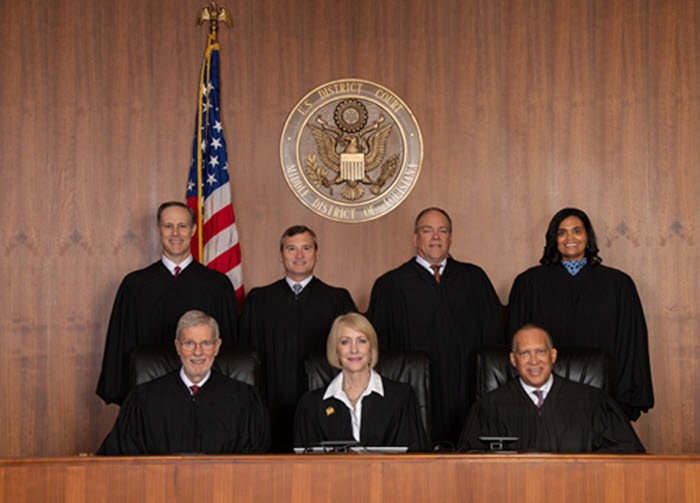
Ezemma’s five co-defendants have been sentenced to prison for their roles in the scheme. On June 21, 2023, the Honorable Kathleen M. Williams sentenced Emmanuel Samuel to 82 months in prison. On July 25, 2023, Judge Williams sentenced Jerry Chucks Ozor to 87 months in prison. On August 29, 2023, Judge Williams sentenced Iheanyichukwu Jonathan Abraham to 90 months in prison.

On October 20, 2023, Judge Williams sentenced Kennedy Ikponmwosa to 87 months in prison. On November 2, 2023, Judge Williams sentenced Peter Ezennia Neboh to 128 months in prison. Judge Williams also ordered Ezemma and his co-defendants to pay more than $6 million in restitution to their over 400 victims.

The Consumer Protection Branch, USPIS and HSI investigated the case.

Arizona Man Michael Bowling Sentenced to 90 Months in Prison for Methamphetamine Distribution in New Hampshire

0

An Arizona man distributing methamphetamine shipped through the United States Postal Service (USPS) into New Hampshire was sentenced today in federal court in Concord to 90 months’ imprisonment, U.S. Attorney Jane E. Young announces.

Michael Bowling, 49, was sentenced by U.S. District Court Judge Samantha D. Elliott to 90 months in prison and three years of supervised release. On April 11, 2024, Bowling pleaded guilty to conspiracy to distribute methamphetamine and two counts of distribution of methamphetamine.

“The U.S. Attorney’s Office and our federal investigative partners have dedicated significant resources to stopping the flow of drugs into to New Hampshire through the mail,” said U.S. Attorney Jane E. Young. “The lengthy prison sentence imposed today by the Court reflects the seriousness of using federal assets to aid in illegal drug distribution. Anyone transporting poisonous drugs using USPS should think again. Law enforcement is watching and poised to take action.”

“As methamphetamine seizures are on the rise, DEA stands committed to keeping this highly addictive drug out of New Hampshire,” said acting special agent in charge, Stephen P. Belleau, DEA New England Field Division. “Today’s sentence not only holds Mr Bowling accountable for his crimes but serves as a warning to those who attempt to bring this poison to the Granite State. This investigation demonstrates the strength of collaborative law enforcement efforts and our strong partnership with the U.S. Attorney’s Office.”

“Today’s sentencing should send a clear message that using the U.S. Mail to facilitate drug trafficking activities will not be tolerated,” said Ketty Larco-Ward, Inspector in Charge of the U.S. Postal Inspection Service, Boston Division. “This successful investigation is a result of strong partnerships both within the U.S. Postal Inspection Service and with our local and federal law enforcement partners.”

In 2021, the defendant mailed packages of methamphetamine from Arizona into New Hampshire, using fictitious return addresses to thwart law enforcement from identifying him as the supplier.

Despite his efforts, the United States Postal Inspection Service (USPIS) and the Drug Enforcement Administration (DEA) seized three packages of methamphetamine sent by the defendant to his Lakes Region co-conspirators, containing over 600 grams of methamphetamine.

Law enforcement arrested the defendant in his Arizona home, where he admitted to mailing the methamphetamine to New Hampshire.

Dade City Babysitter Olejuwan Lamar Steele Gets Maximum Sentence for Producing Child Sexual Abuse Material

0

U.S. District Judge Steven D. Merryday today sentenced Olejuwan Lamar Steele (30, Zephyrhills) to 30 years in federal prison, followed by a lifetime of supervised release, for the production of child sex abuse material.

The court also ordered Steele to pay $3,000 in restitution to the victim and register as a sex offender. Steele entered a guilty plea on April 17, 2024.

According to court documents, Steele was a babysitter in the Dade City community in Pasco County. On one occasion in 2022, while babysitting a two-year-old child, Steele created videos of child sexual abuse material of the victim and shared them on the internet via live video.

“This babysitter exploited the innocence of a child in his care, betrayed the trust placed in him, and violated the sanctity of childhood itself,” said Homeland Security Investigations Tampa Assistant Special Agent in Charge Micah McCombs.

McCombs added, “Through HSI’s law enforcement partnership with the Pasco Sheriff’s Office, this predator will now be held accountable for his vile actions against a child.”

This case was investigated by Homeland Security Investigations—Tampa with substantial assistance from the Pasco Sheriff’s Office. Assistant United States Attorney Erin Claire Favorit prosecuted it.

Lee County Woman Christi Lynn Bien Aime Sentenced to 10 Years in Prison for Fentanyl, Methamphetamine Trafficking Scheme

0

U.S. District Judge Thomas P. Barber has sentenced Christi Lynn Bien Aime (31, Alva) to 10 years in federal prison for attempting to possess with the intent to distribute 400 grams or more of fentanyl and 500 grams or more of methamphetamine. Bien Aime entered a guilty plea on March 27, 2024.

According to court records, in May 2021, Bien Aime solicited an acquaintance to receive a drug-laden package in the mail for her in exchange for cash.

The package—shipped from California to Cape Coral, Florida, and addressed to a fake name—was intercepted in transit by agents from the Drug Enforcement Administration (DEA) before reaching its final destination.

The package contained approximately 3½ kilograms of fentanyl, approximately 1½ kilograms of methamphetamine, and approximately one kilogram of p-Fluorofentanyl (a fentanyl analogue).

DEA agents arranged to conduct a “controlled delivery” of the package and deliver it—after it was emptied of any real controlled substances—as it was originally intended to be delivered. 

After an undercover DEA agent delivered the package to the residence in Cape Coral, Bien Aime’s acquaintance accepted the package and delivered it to a nearby gas station as Bien Aime instructed her.

At the gas station, Bien Aime paid her acquaintance and opened the package before being approached and detained by DEA agents.